

As a 10-year commercial cleaning professional based along the Front Range, I’ve learned that running a Denver cleaning company is less about mops and vacuums and far more about understanding how buildings and people behave in a city that shifts with every season. I still remember my first winter contract in LoDo—snowmelt tracked across polished concrete floors faster than my team could clean it, and a property manager pulled me aside to explain how the afternoon sun melted roof snow directly onto their entryway. That early lesson shaped how I handle prevention, not just cleanup, across every job we take on.
Learning from the Buildings Themselves
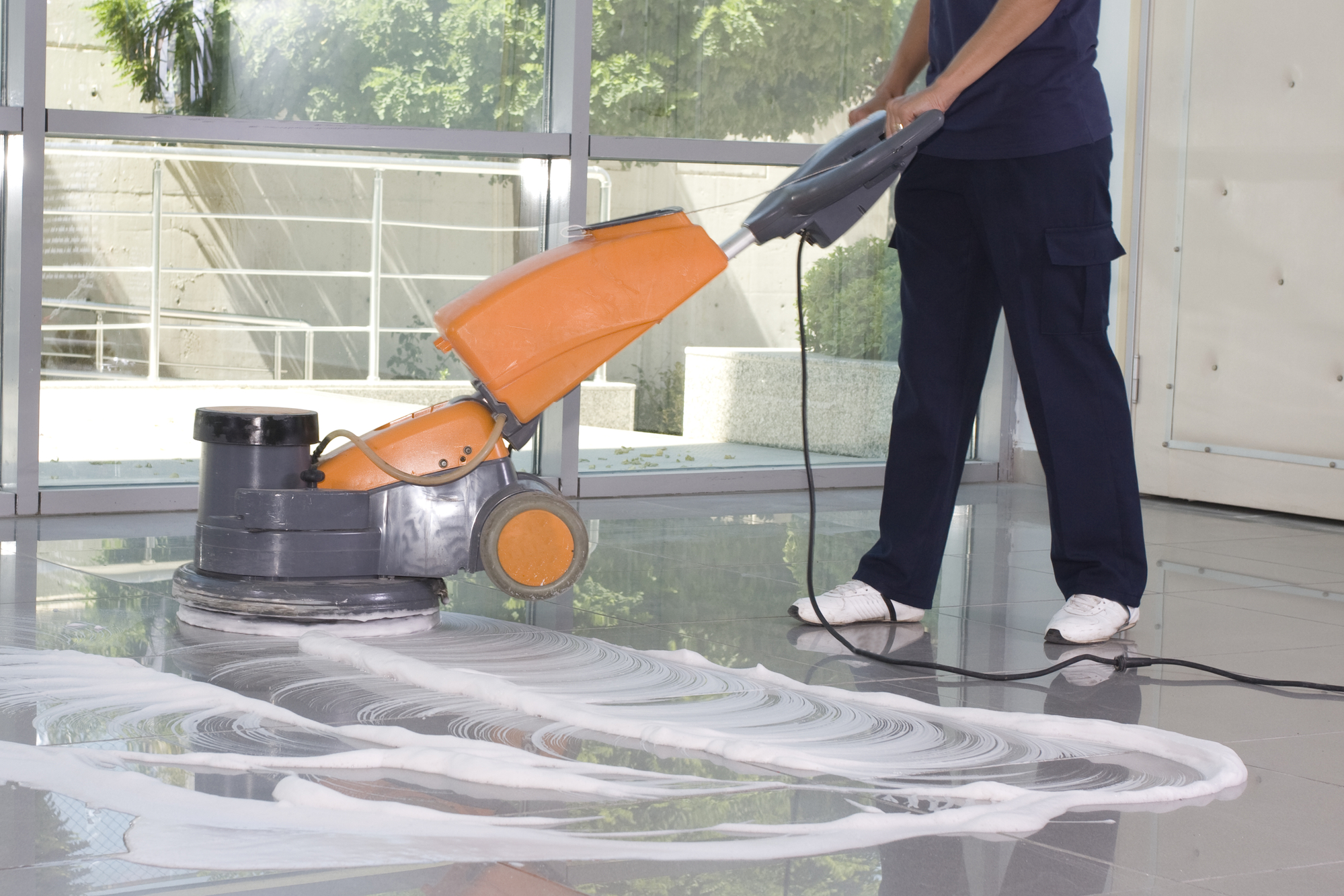 Denver is full of properties that teach you things if you pay attention. One medical office we serviced near Cherry Creek had constant dust buildup on patient chairs. At first, I assumed it was foot traffic, but after watching the HVAC cycle during late-afternoon temperature swings, I realized warm air drafts were stirring up dust from high vents and dropping it directly onto seating. Adjusting our schedule around those cycles reduced cleaning time and cut their complaints down to almost nothing. These are the kinds of patterns you only spot after years of being inside dozens of buildings each week.
Another example came from a tech startup downtown. Their team worked late into the night, and I kept finding energy drink spills dried under desks—never reported, always sticky. Instead of confronting them, I suggested we shift part of our cleaning window later. That small change made the workspace noticeably more manageable and cut back the wear on their flooring. Sometimes the job isn’t about stricter rules but smarter timing.
The Mistakes I Made Early On
I once believed that more product meant better results. That illusion disappeared the day I dulled an entire set of stainless steel breakroom appliances by using a cleaner better suited for industrial equipment. I had to replace applicators, retrain myself, and rebuild some trust with that client. Now I teach every new hire to test, not assume—because assumptions can cost several thousand dollars in damage, even if the mistake is innocent.
Another mistake was underestimating foot traffic patterns. A customer last spring wondered why her office carpets looked worn after only a few months. The issue wasn’t the carpets—it was that all her staff funneled through one narrow hallway, and no matting was in place. After we added a few feet of high-quality walk-off mats and shifted our deep-cleaning rotation, the carpets held up remarkably better.
What Makes Denver Workplaces Their Own Challenge
The altitude, dryness, and constant movement between cold mornings and warm afternoons create quirks you don’t see in other cities. Dust carries differently. Floors expand and contract. Windows streak faster because of mineral-heavy meltwater. I’ve found that prevention is far more valuable than reaction. For example, offices near construction zones—common in Denver’s ever-growing downtown—need more frequent HEPA vacuuming not because the interior is dirtier, but because micro-dust finds its way in through every gap.
Why I Still Love This Work
A cleaning company sees a version of Denver many people don’t. Empty offices at sunrise, industrial shops cooling down after long shifts, high-rise condos settling into quiet evenings. Over time, you start noticing how much a business depends on its space feeling orderly and functional. I’ve watched teams become more productive simply because their workstations weren’t cluttered by yesterday’s chaos. I’ve also had clients call just to say they finally understood the value of professional upkeep after realizing how much time they regained.
What I Tell Anyone Looking for a Reliable Cleaning Partner
Choose a company that sees patterns—not one that just follows a checklist. Buildings tell stories: airflow issues, traffic habits, recurring spills, seasonal quirks. A good cleaner reads those stories and adjusts. A great one anticipates them.
And in Denver, anticipation is half the battle. The weather changes, construction shifts, businesses grow, and buildings age. But a space that’s well cared for always feels ready—steady enough to support everything that happens inside it.