

After more than ten years as a professional cleaner, I’ve learned that House Cleaning isn’t really about spotless rooms or perfectly folded corners—it’s about how a home supports the people inside it, which is exactly why trusted cleaning support for Round Rock residents matters so much. I didn’t understand that early on, back when I was hauling supplies up staircases and racing daylight to finish same-day jobs. Over time, the work slowed me down in the best way. I began to notice patterns in homes, habits in people, and the small oversights that quietly create bigger problems later.
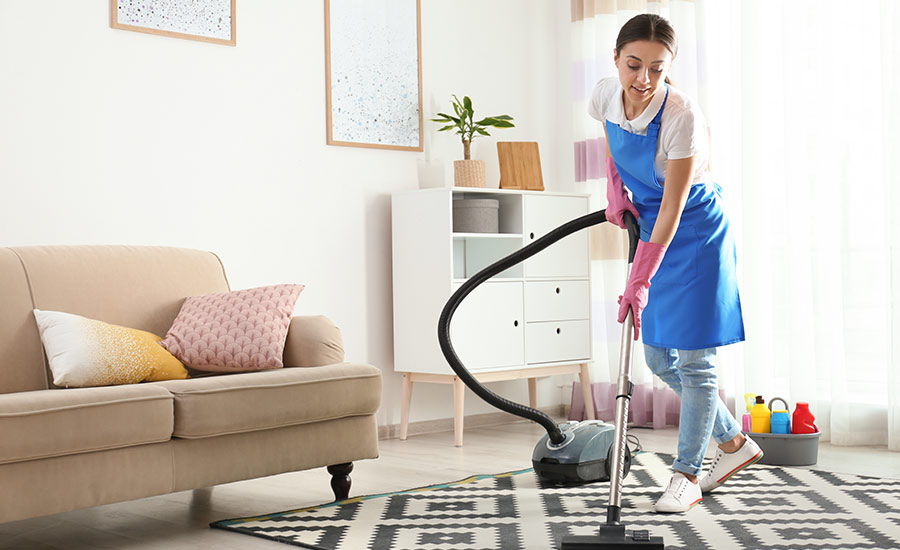 I remember a job early in my career for a family who insisted their home was “already clean” but wanted help before hosting relatives. At first glance, they were right. Beds were made, counters were clear, and the floors had been vacuumed. But once I started wiping door handles and light switches, the cloth turned gray almost immediately. In the kitchen, cabinet fronts were sticky from years of cooking residue. None of this was visible unless you touched it. That job taught me that cleanliness isn’t always something you see—it’s often something you feel.
One mistake I see repeatedly is focusing all effort on floors and bathrooms while ignoring transitional spaces. Entryways, stair rails, and the narrow strip of wall behind trash cans quietly collect grime. I’ve walked into homes where the living room sparkled, but the hallway smelled stale because vents hadn’t been cleaned in years. From experience, those overlooked areas affect air quality and comfort more than people realize, especially in homes with pets or kids tracking in dust daily.
A few years ago, I worked with a homeowner who kept replacing cleaning products, convinced the issue was the brand. Their frustration made sense—the house never felt fresh for long. The real problem turned out to be technique, not supplies. Too much product was being used, leaving residue that trapped dirt faster. Once we scaled back and focused on proper rinsing and drying, the difference was immediate. I’ve found that restraint is one of the most underrated skills in this field. More effort doesn’t always mean better results.
I also advise people against saving all cleaning for one exhausting day. I’ve cleaned homes where weeks of buildup turned a simple reset into a marathon. In contrast, clients who did small, regular upkeep rarely needed deep intervention. From a professional standpoint, those homes aged better—less stained grout, fewer damaged surfaces, and appliances that lasted longer. Cleaning works best when it supports daily life instead of interrupting it.
Not every home needs the same standard, and that’s something experience makes very clear. I’ve worked with retirees who wanted quiet order and families who just wanted to stop feeling behind. One client traveled often and needed their home refreshed after long absences—dust removed, air circulated, surfaces reset. Another needed help keeping chaos manageable so weekends felt livable again. Both situations required different priorities, and neither was wrong.
After years in this work, I’m comfortable saying that chasing perfection usually leads to burnout. Ignoring buildup leads to stress and costly fixes. The balance sits somewhere in between, shaped by how a home is actually used. Clean homes don’t have to announce themselves. They simply make everyday life easier, calmer, and a little lighter. That’s the quiet standard I’ve come to respect, job after job, door after door.